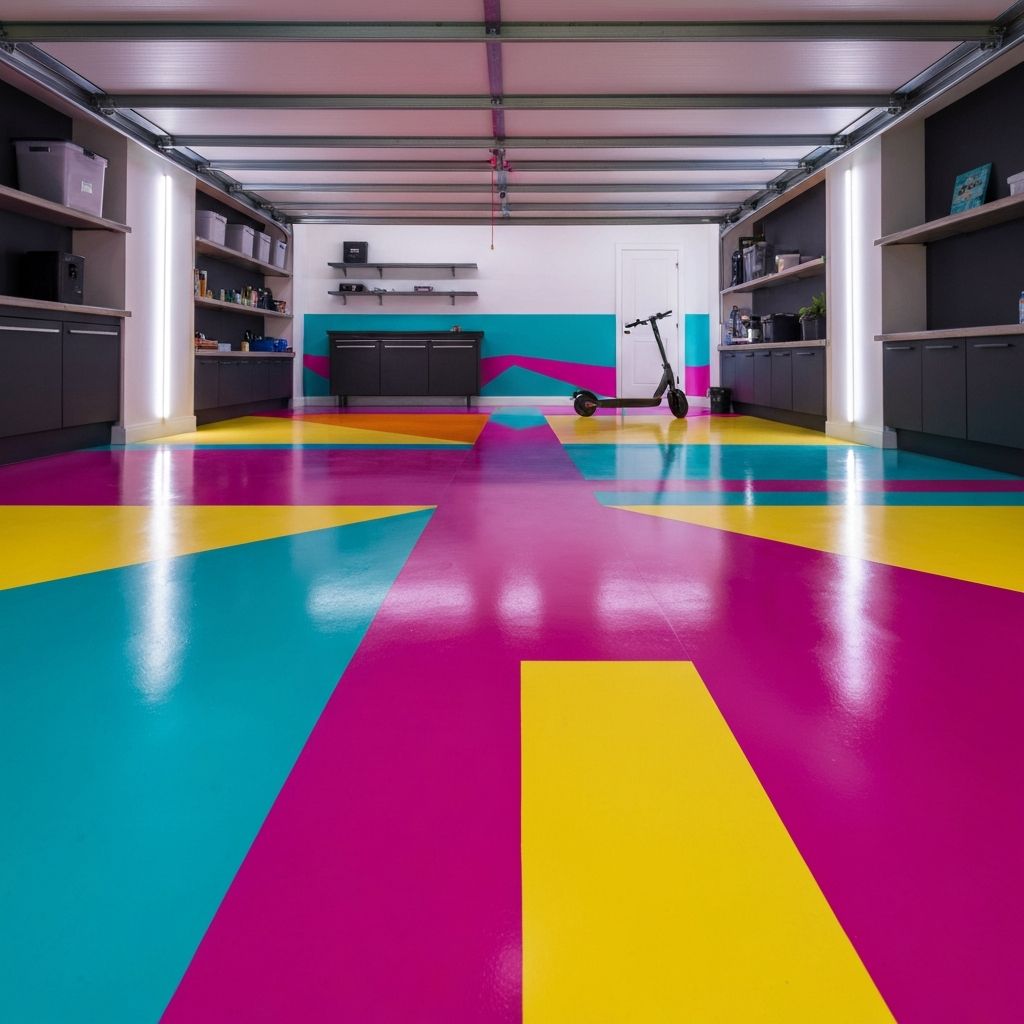
Is an Epoxy Garage Floor Worth It in Lakeland, FL?
Is an Epoxy Garage Floor Worth It in Lakeland? An Honest Look at the Pros and Cons
If you're thinking about coating your garage floor in Lakeland, the big question usually isn't "which color?" It's "is this actually worth paying for?" A coated floor can change how a garage looks and works, but it isn't the right call for every slab or every homeowner. This guide walks through what you get, where coatings fall short, and how Lakeland's heat, humidity and summer storms play into the decision.
Lakeland Epoxy Floor connects you with local installers who coat garage, home and business floors across Lakeland and Polk County. We don't install floors ourselves. We match you with installers who do.
What you're really paying for
A professional garage floor coating is more than paint. A typical system includes:
Diamond grinding to open up the concrete and remove old sealers, paint, oil and laitance (the weak top layer of the slab).
Crack and spall repair with a compatible filler so damage doesn't show through the finish.
A primer or base coat, usually epoxy, that bonds into the ground concrete.
A broadcast of decorative flake or quartz into the wet base coat.
A clear topcoat, often polyaspartic or polyurethane, for UV resistance, gloss and wear.
Most of the cost, and most of the long-term performance, comes from the prep and the number of coats, not the brand name on the bucket. That's why two quotes for "an epoxy floor" can be far apart. Ask each installer to list every step and every coat in writing.
The pros: why Lakeland homeowners coat their garages
Easier cleaning. Bare concrete is porous. It soaks up oil, brake fluid, fertilizer and the sand and grass clippings that get tracked in. A sealed, seamless coating lets you sweep, squeegee and mop instead of scrubbing stains that never come out.
Less dust. Uncoated concrete slowly sheds a fine powder that ends up on tools, cars and shelves. A coating locks the surface down.
Better light. A light-colored or flake floor reflects much more light than gray concrete, which makes a garage workshop or home gym easier to use.
Chemical and stain resistance. A properly built system resists the everyday spills that happen in a garage: motor oil, gasoline drips, pool chemicals and cleaners.
Slip control. Flake and quartz finishes can be built with texture, and many installers add an anti-slip additive to the topcoat. That matters when rain blows in or a wet car pulls in during a Lakeland afternoon storm.
Curb appeal. For many homeowners the garage is the main entry to the house. A finished floor makes the space feel like part of the home, and buyers notice it.
The cons: where a coating may not be worth it
A bad slab stays bad. If your concrete has active moisture problems, heaving or large structural cracks, a coating won't fix them. Moisture pushing up from below is one of the most common reasons coatings blister and peel.
Cheap jobs fail early. Kits and low-bid jobs that skip diamond grinding and use thin, low-solids products are the source of most "my epoxy peeled" stories. If the budget only covers a shortcut, it may be better to wait.
Plain epoxy can yellow. Standard epoxy isn't UV-stable. In a garage that sits open to the Florida sun, the front of the floor can amber over time unless the system has a UV-stable topcoat.
Downtime. Your garage will be out of use during install and cure. Ask when you can walk on the floor and when you can park on it.
Hot tire pickup. On weak or poorly bonded coatings, hot tires can lift the finish. A ground slab and a quality system are the fix.
How Lakeland's climate changes the math
Heat and sun
Central Florida summers are long and hot, and many garage doors stay open for hours. That's hard on any topcoat that isn't UV-stable. If your garage gets direct afternoon sun, ask for a polyaspartic or aliphatic polyurethane topcoat over the epoxy base.
Humidity and slab moisture
Lakeland's humid air and frequent summer rain mean slabs on grade can carry moisture. A good installer tests the slab before coating, using a calcium chloride test or an in-slab relative humidity test, and uses a moisture-tolerant primer when the results call for it. If an installer won't test, that's a red flag.
Storm season
Summer storms can push water under the garage door and toward the house. A seamless coated floor is easy to squeegee and dry, and it won't soak up standing water the way bare concrete does. Sealing the edges and the joint at the door helps.
When it's usually worth it
A professional coating tends to make the most sense when:
the slab is sound and dry, or the moisture can be managed with the right primer
you use the garage as a workshop, gym, storage room or main entry
you plan to stay in the home for a while, or you want the garage to show well when you sell
you're willing to pay for real prep instead of a roll-on kit
It's usually not worth it when the slab has major structural or moisture problems that haven't been addressed, or when the only option in the budget is a shortcut that skips grinding.
Choosing a finish
Flake is the most popular garage finish. It hides dust and small scuffs, and it can be built with texture for grip.
Quartz gives a durable, slip-resistant surface that's common in shops and commercial kitchens.
Metallic epoxy has a marbled, high-gloss look. It's popular in showrooms and living spaces, but it shows scratches and grit more easily than flake.
See the systems installers offer on our garage floor epoxy coating page, or browse all Lakeland epoxy floor services, including basement epoxy floor coating and pool deck coating.
Questions to ask before you hire
Will you diamond grind the floor, or only acid etch it?
Will you test the slab for moisture, and which test do you use?
What material goes into each coat, and is the topcoat UV-stable?
When can I walk on the floor, and when can I park on it?
What does the warranty cover, and what voids it?
Get matched with a local installer in Lakeland
If you're weighing whether a coated garage floor is worth it, the best next step is to have an installer look at your slab. Lakeland Epoxy Floor connects you with local installers who can check your concrete, explain the options and give you a written quote. Get your free instant quote and tell us about your project.
FAQ
Is an epoxy garage floor worth it in Florida?
For a sound slab and a homeowner who uses the garage, usually yes. The coating makes the floor easier to clean, brighter and more resistant to stains. In Florida it's worth paying for moisture testing and a UV-stable topcoat, because humidity and sun are the two things most likely to shorten a coating's life.
Why do some epoxy garage floors peel?
Most peeling comes from poor prep or moisture. Floors that are only acid etched, or coated over old sealer, paint or oil, often lose their bond. Moisture vapor rising through the slab can also cause blisters. Diamond grinding and a moisture test before coating prevent most of these failures.
Is a professional coating better than a DIY kit?
Professional systems are usually thicker, use higher-solids materials and start with diamond grinding, which DIY kits skip. Kits can look fine at first, but they're far more likely to peel or lift under hot tires.
